The Off Ramp From Per-Token Pricing is new research from The Futurum Group on how enterprises are regaining AI cost control, and the utilization point where renting compute stops making financial sense.

Deploy a model as an agent and the same request consumes 10 to 100 times more tokens than a single inference call. Nothing about the model changed. Nothing about your users changed. On per-token pricing, every one of those tokens is billable.

This is for you if:

  • Your AI spend is growing faster than your usage
  • You're running last year's models as agents this year
  • Your inference runs continuously, but you're priced as though it might spike
  • Finance has asked what a specific AI feature costs to run, and the answer took a week

What you'll get:

Futurum puts the threshold at roughly 60% sustained utilization, meaning the share of time your inference hardware is actually working across an ordinary month. Almost nobody knows their own number, because billing is monthly, traffic is spiky, and no dashboard reports it as a single figure. Reading about the threshold is not the same as knowing where you sit. These three settle it.

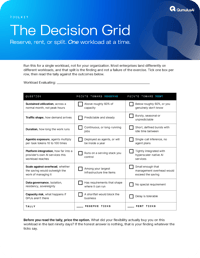
The Decision Grid

One page, nine questions. Answer them for a single workload and it returns a verdict: reserve it, or leave it where it is. Then run it again for the next one. Most teams end up reserving some workloads and renting others, which is the useful part.

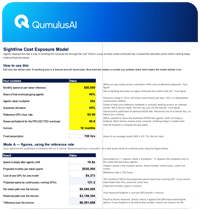
The Cost Exposure Model

Enter your token spend, your agentic multiplier, and how much of your capacity is actually working. It does the arithmetic and shows where your own costs cross over. A spreadsheet, so you can change the assumptions and send it on.

The CFO Packet

Three documents for the budget conversation. A one-page briefing written for finance, the three questions your CFO should be asking you, and a memo template laid out the way a finance team expects a proposal. Use whichever one your situation calls for.
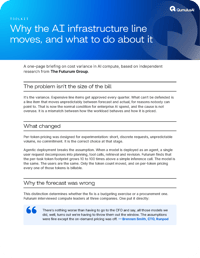
The Futurum Research Report

The full report is free and needs no form. Independent research from The Futurum Group, based on their survey of 824 AI decision-makers and interviews at Day2Soft, Runpod and Qubrid AI. We sponsored it. The analysis is theirs.

The Futurum Group Logo

Toolkits

Decision Grid

The Decision Grid

Untitled design

The Cost Exposure Model

CFO Toolkit

The CFO Packet

Key Insights

Where AI compute runs, how it's bought, and where the spending goes next.

6

59%

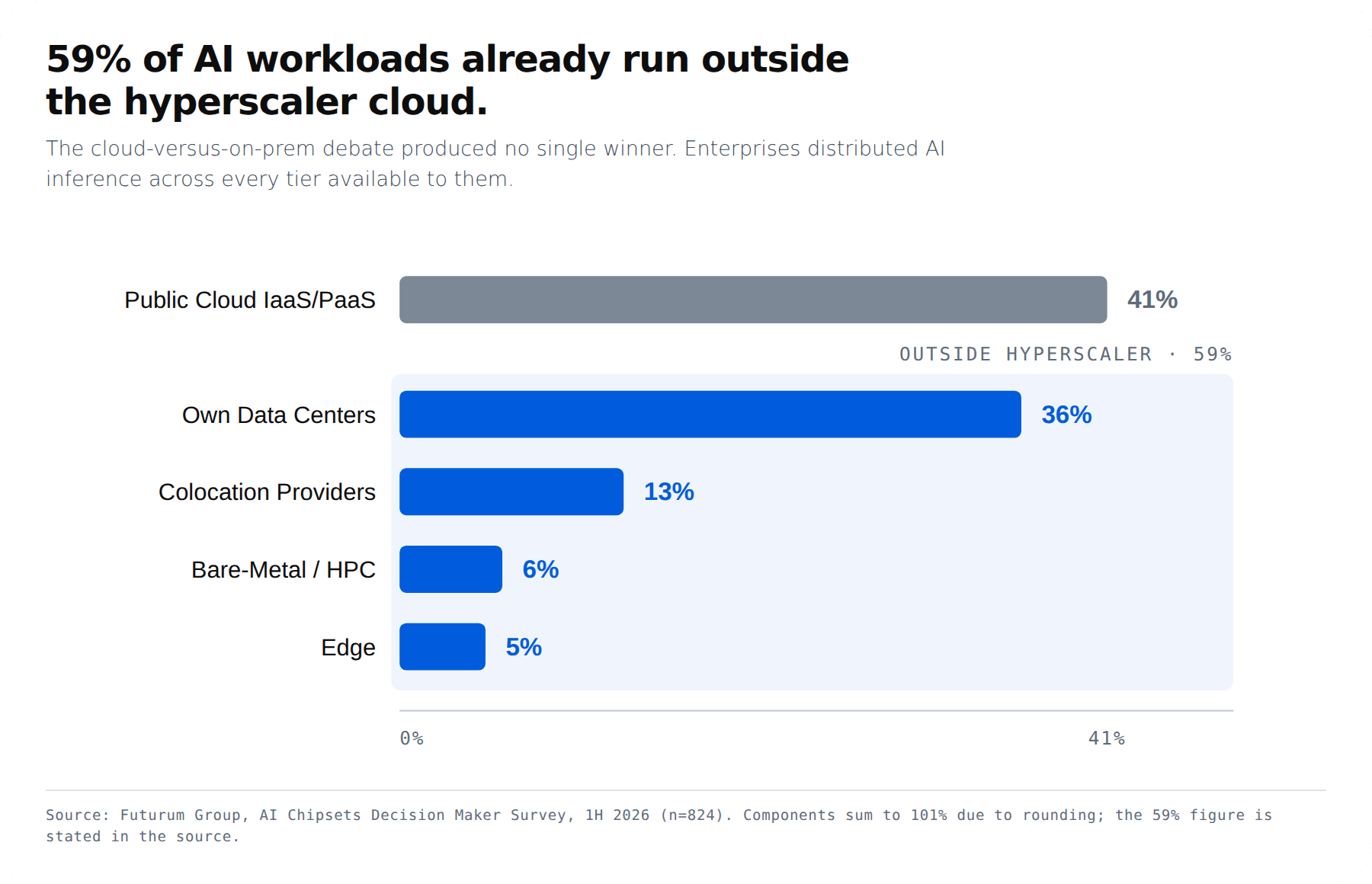
of AI decision-makers run primarily outside hyperscaler public cloud.

5

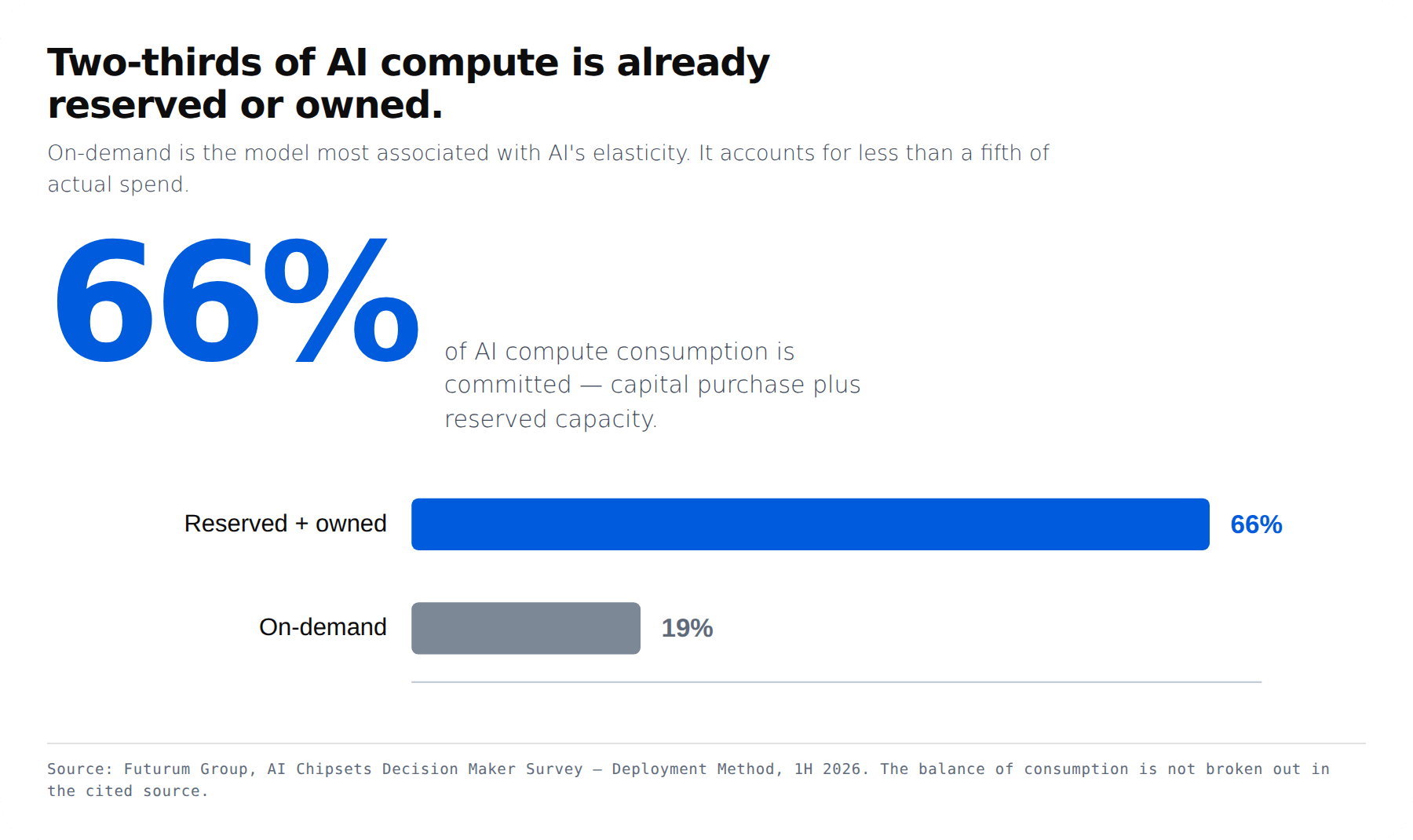
66% / 19%

Reserved and owned capacity versus on-demand. The default motion is no longer the default.

4

8x

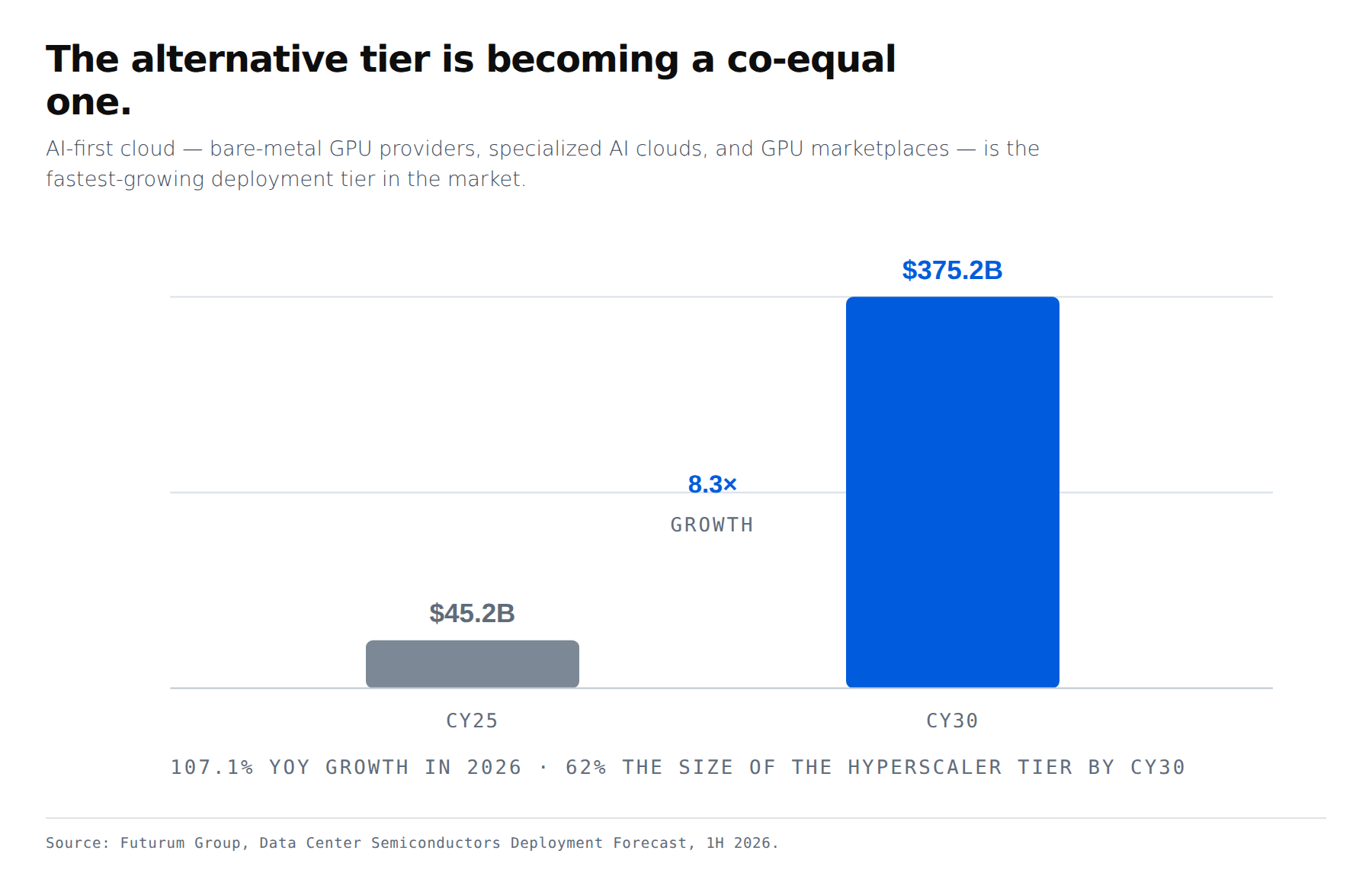
Growth in spending outside the big three hyperscalers, from $45.2B in 2025 to $375.2B in 2030.


Deployment components: public cloud 41%, own data centers 36%, colocation 13%, bare-metal/HPC 6%, edge 5%. Sum to 101% due to rounding. Source: Futurum Group, AI Chipsets Decision Maker Survey and Data Center Semiconductors Deployment Forecast, 1H 2026 (n=824).

This isn't hyperscale as you know it. It's hyperspeed.

QumulusAI provides reserved bare metal capacity where cost tracks hardware utilization rather than token consumption.
The cost model shows you what that looks like against your own numbers.

This page references third-party market forecasts and contains forward-looking statements. Actual results may differ materially. See our SEC filings for risk factors.